Essential Tips for Implementing Cybersecurity in Hybrid Cloud Environments


Understanding Hybrid Cloud Environments
In the modern digital landscape, hybrid cloud environments have become a popular choice for businesses aiming to leverage the benefits of both public and private clouds. This approach provides flexibility, scalability, and cost-effectiveness. However, it also introduces unique cybersecurity challenges that need to be addressed to protect sensitive data and ensure compliance.

Assessing Your Security Needs
Before implementing cybersecurity measures in a hybrid cloud environment, it's crucial to assess your specific security needs. Begin by identifying the types of data you are handling and the potential risks associated with them. This assessment will guide your strategy and help you allocate resources effectively.
Data Classification
Classifying data based on its sensitivity is a vital step. By categorizing data as public, private, or sensitive, you can determine the level of protection required for each type. This ensures that critical information is given the highest level of security.
Implementing Robust Access Controls
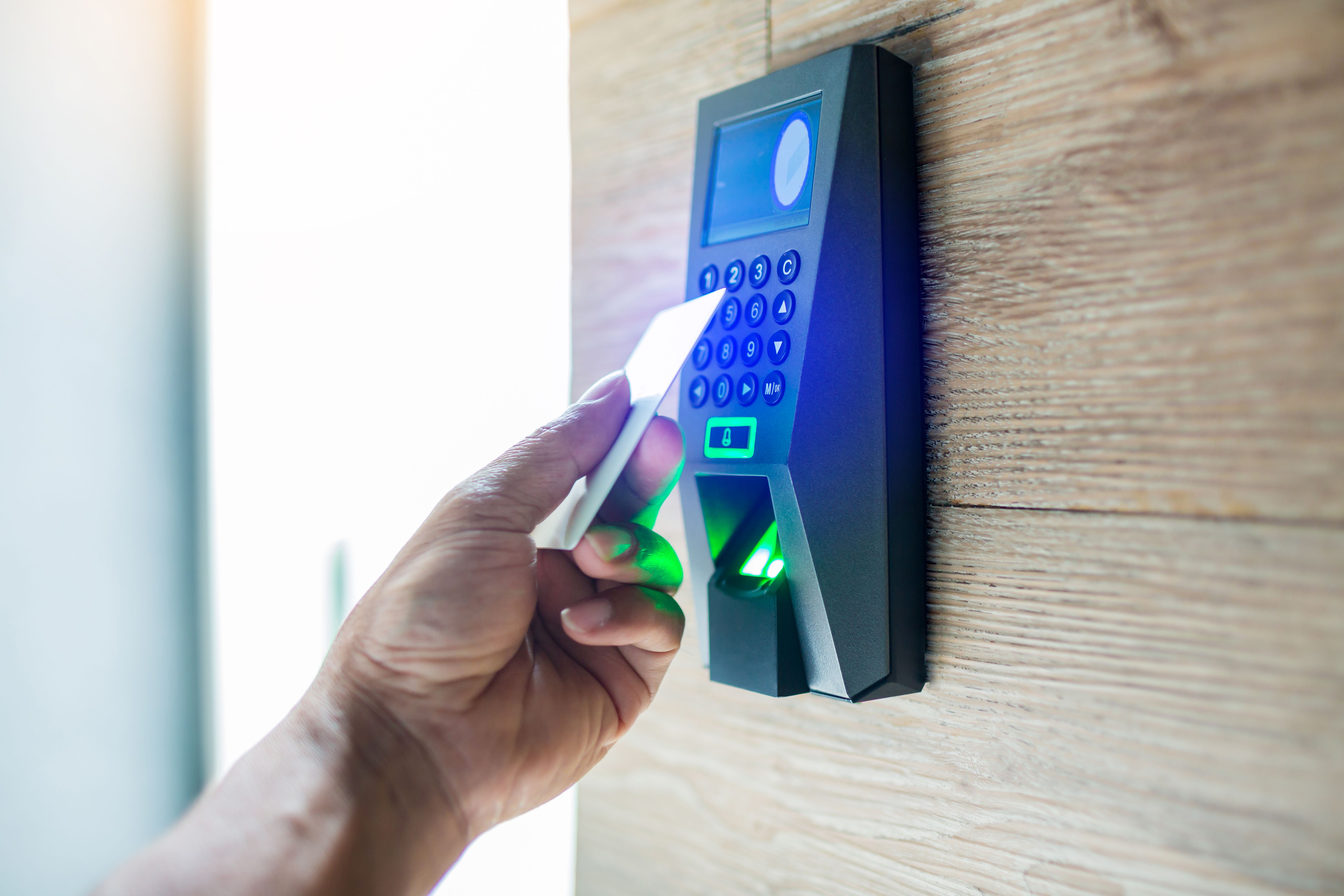
Access control is a fundamental aspect of cybersecurity in hybrid cloud environments. Implementing strong access controls can prevent unauthorized access and potential breaches. Here are some effective strategies:
- Multi-factor Authentication (MFA): Require users to provide two or more verification factors to gain access.
- Role-Based Access Control (RBAC): Assign permissions based on user roles to minimize exposure.
Ensuring Data Encryption
Data encryption is essential for protecting information both in transit and at rest. By encrypting sensitive data, you can ensure that even if it is intercepted, it remains unreadable to unauthorized users. Make sure to use strong encryption protocols and keep encryption keys secure.
Encryption Best Practices
Regularly update encryption algorithms and protocols to defend against new threats. Additionally, consider using end-to-end encryption for the most sensitive data to enhance security further.
Monitoring and Incident Response
Continuous monitoring of your hybrid cloud environment is necessary to detect and respond to threats promptly. Implementing a comprehensive monitoring system can help identify unusual activities and potential breaches.
- Real-time Alerts: Set up alerts for suspicious activities to respond quickly.
- Incident Response Plan: Develop a plan to address security incidents efficiently and minimize damage.

Regular Security Audits and Compliance
Conduct regular security audits to evaluate the effectiveness of your cybersecurity measures. These audits can identify vulnerabilities and areas for improvement. Additionally, ensure compliance with industry standards and regulations to avoid legal issues and penalties.
Compliance Frameworks
Familiarize yourself with compliance frameworks like GDPR, HIPAA, or PCI-DSS, relevant to your industry. Align your security practices with these standards to maintain trust with your clients and partners.
Conclusion
Implementing cybersecurity in hybrid cloud environments requires a comprehensive approach that addresses the unique challenges of this model. By assessing security needs, implementing robust controls, ensuring data encryption, monitoring activities, and conducting regular audits, businesses can protect their data and maintain trust. Stay proactive and continuously update your security measures to keep up with evolving threats.