How to Optimize Cloud Costs Effectively During Seasonal Demand


Managing cloud costs during periods of fluctuating demand can be challenging. Seasonal spikes in business activity require a strategic approach to ensure you’re not overspending while still meeting your operational needs. Here are some effective strategies to optimize cloud costs during these peak times.
Understand Your Seasonal Demand Patterns
Before you can optimize costs, you need a clear understanding of your business’s demand patterns. Analyze historical data to identify peak periods and determine the extent of resource usage during these times. This analysis will inform your decisions on scaling resources and managing expenses.
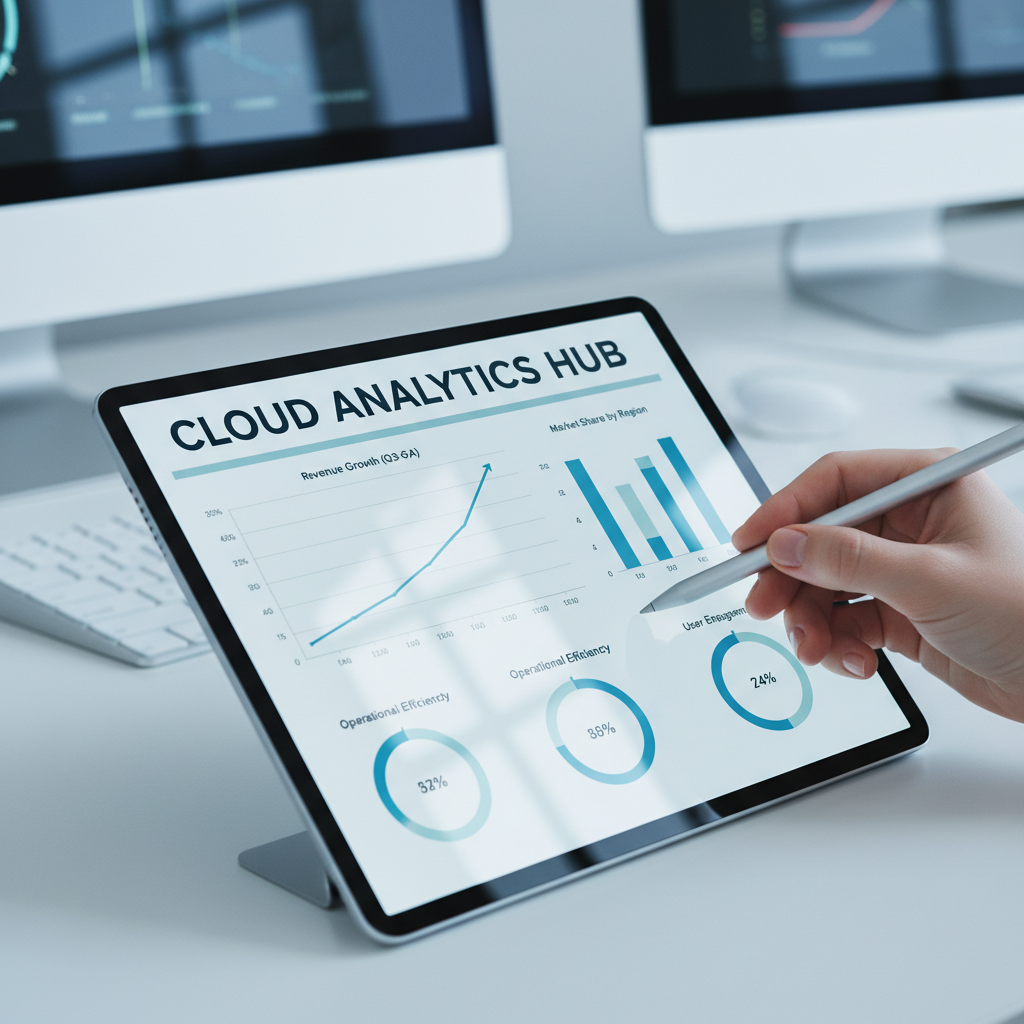
Using predictive analytics and monitoring tools can offer insights into future demand, allowing you to proactively adjust your cloud infrastructure. This preparation helps in avoiding last-minute adjustments, which can often be costly.
Implement Auto-Scaling
Auto-scaling is a powerful feature available in most cloud services that automatically adjusts the number of compute resources based on the current demand. This ensures you’re only paying for what you need when you need it. Set up auto-scaling policies that align with your business cycles to optimize efficiency and cost-effectiveness.
Consider implementing thresholds and rules that trigger scaling actions to prevent over-provisioning or under-provisioning resources. This strategy helps maintain performance while managing costs effectively.
Utilize Reserved Instances
For predictable workloads, using reserved instances can result in significant savings. These instances allow you to commit to using cloud resources for a longer term at a discounted rate. Evaluate your historical usage data to identify areas where reserved instances can be beneficial during peak seasons.

While reserved instances require upfront commitment, the cost savings can be substantial, especially if your seasonal demand aligns with long-term usage patterns.
Leverage Spot Instances
Spot instances offer another cost-saving opportunity by allowing you to purchase unused cloud capacity at reduced rates. These instances are ideal for flexible, non-essential workloads that can tolerate interruptions. During seasonal peaks, strategically using spot instances can help manage costs while maintaining necessary capacity.
However, it’s crucial to have a robust strategy for handling potential interruptions associated with spot instances to avoid any disruption to your operations.
Monitor and Optimize Continuously
Cost optimization is not a one-time task. Regularly monitoring your cloud usage and costs is essential for ongoing efficiency. Use cloud management tools to track your spending and identify areas for improvement. Setting alerts for unusual spending patterns can also help in taking timely action to prevent overspending.

Engage with your cloud provider to explore additional tools and services that can aid in monitoring costs and improving efficiency. Many providers offer cost management solutions designed to help businesses optimize their cloud spending effectively.
Conclusion
Effectively optimizing cloud costs during seasonal demand requires a combination of planning, strategic resource management, and continuous monitoring. By understanding your demand patterns, leveraging auto-scaling, utilizing reserved and spot instances, and maintaining a cycle of continuous optimization, you can ensure that your cloud costs remain manageable, even during peak periods.