Seasonal Cloud Scaling: Preparing for Peak Traffic Periods


Understanding Seasonal Cloud Scaling
As businesses increasingly rely on digital platforms, managing web traffic efficiently becomes crucial, especially during peak periods. Seasonal cloud scaling is a strategy that helps businesses prepare for fluctuations in user demand by dynamically allocating resources.
With the right cloud scaling practices, companies can maintain optimal performance, reduce costs, and ensure customer satisfaction. This approach is particularly beneficial for e-commerce sites, streaming services, and other online platforms that experience seasonal spikes.
Identifying Peak Traffic Periods
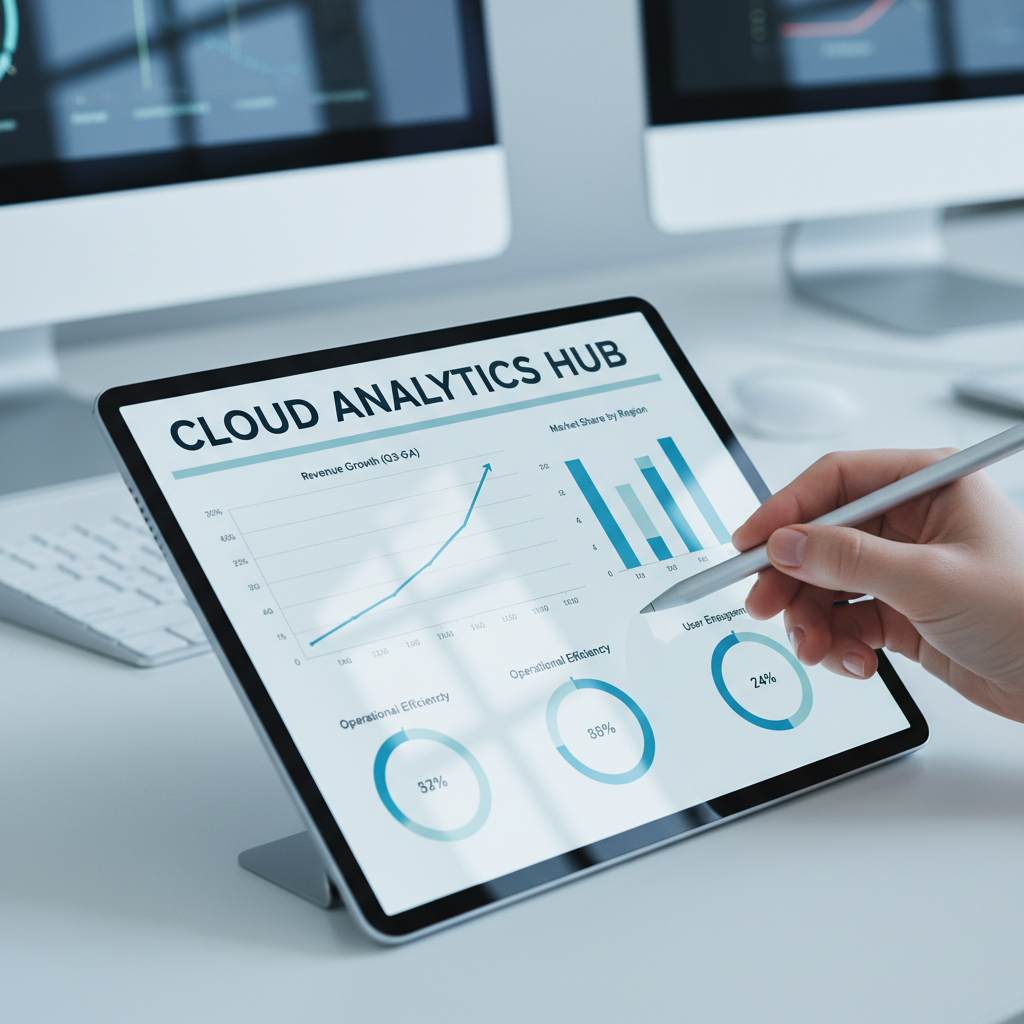
Understanding your business’s peak traffic periods is the first step. These are times when your website or application experiences a significant increase in user activity. Common examples include holiday shopping seasons, end-of-year sales, or special promotional events.
By analyzing historical data and using predictive analytics, businesses can forecast these peaks and plan accordingly. This proactive approach helps in deploying the right amount of resources to meet demand without over-provisioning.
Tools for Traffic Analysis
Several tools can assist in identifying peak periods. Platforms like Google Analytics, AWS CloudWatch, and Azure Monitor provide insights into user behavior and traffic patterns. Utilizing these tools allows businesses to tailor their scaling strategies effectively.
Strategies for Effective Cloud Scaling
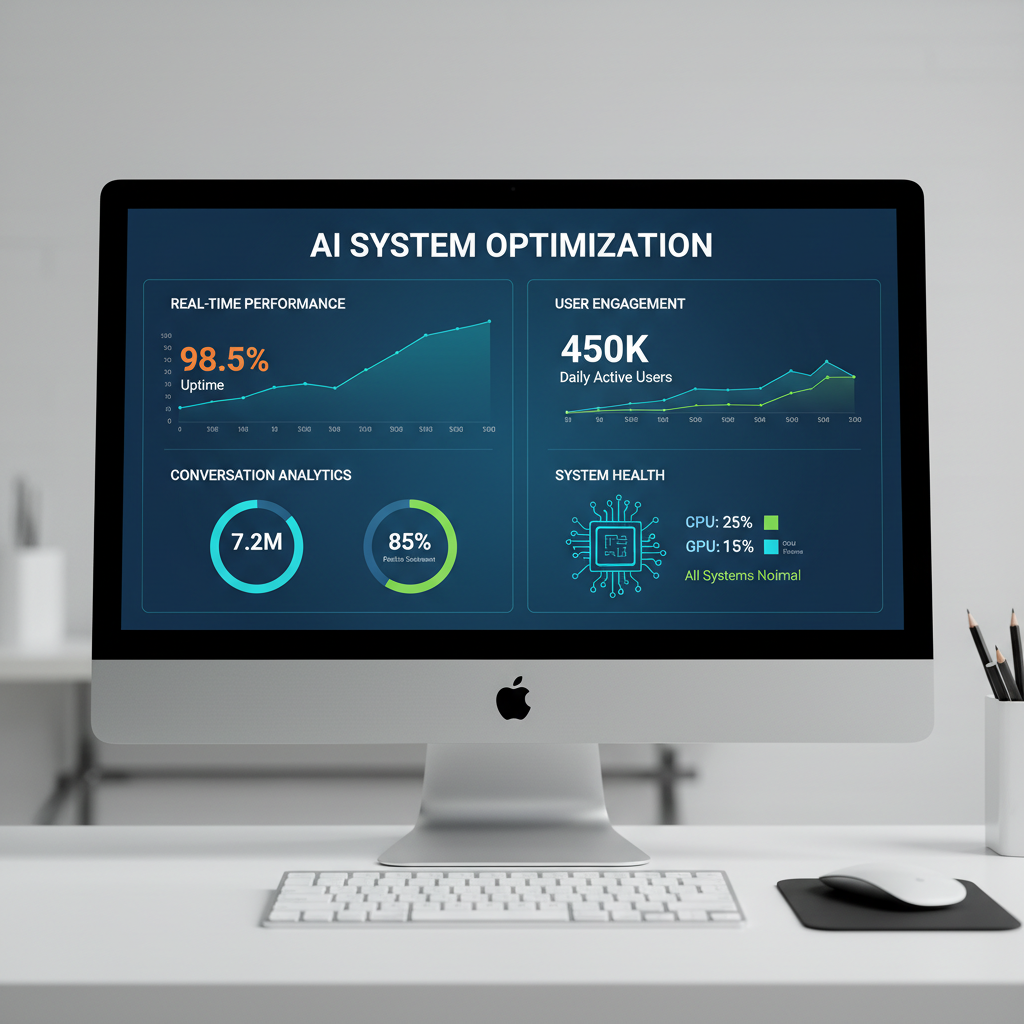
Once peak periods are identified, implementing a robust cloud scaling strategy is essential. Two common methods are vertical scaling and horizontal scaling. Vertical scaling involves adding more power to existing servers, while horizontal scaling means adding more servers to handle increased load.
Each method has its advantages and choosing the right one depends on your business needs and the nature of the applications you are running. Often, a combination of both strategies offers the greatest flexibility and efficiency.
Leveraging Auto-Scaling Features
Major cloud providers like AWS, Google Cloud, and Azure offer auto-scaling features that automatically adjust resources based on real-time demand. This ensures that your infrastructure responds to traffic spikes without manual intervention, optimizing both performance and cost.

Cost Management and Efficiency
While scaling is crucial for handling peak traffic, it's also important to manage costs effectively. Cloud providers offer various pricing models, such as pay-as-you-go or reserved instances, to accommodate different scaling needs.
Businesses should evaluate these options and choose the one that aligns with their budget and scaling requirements. Implementing monitoring and alert systems can also help in keeping track of resource usage and costs.
Planning for the Off-Peak Periods
Efficient scaling is not only about handling peak loads but also about scaling down during off-peak times. This flexibility prevents resource wastage, ensuring that businesses only pay for what they use.
By adopting a comprehensive seasonal cloud scaling strategy, businesses can enhance their operational efficiency, deliver seamless customer experiences, and maintain a competitive edge in the digital marketplace.