Seasonal Cloud Service Optimization: Preparing for Peak Demand


Understanding Seasonal Cloud Service Demand
As businesses increasingly rely on cloud services, understanding and preparing for seasonal demand fluctuations becomes crucial. Whether it's retail spikes during the holidays or increased traffic for a streaming service during major events, anticipating these peaks can ensure smooth operations and enhance customer satisfaction.
Seasonal demand can significantly impact performance and cost. By optimizing cloud services, businesses can maintain efficiency and control expenses. Effective planning involves analyzing historical data, predicting future trends, and preparing resources accordingly.
Analyzing Historical Data
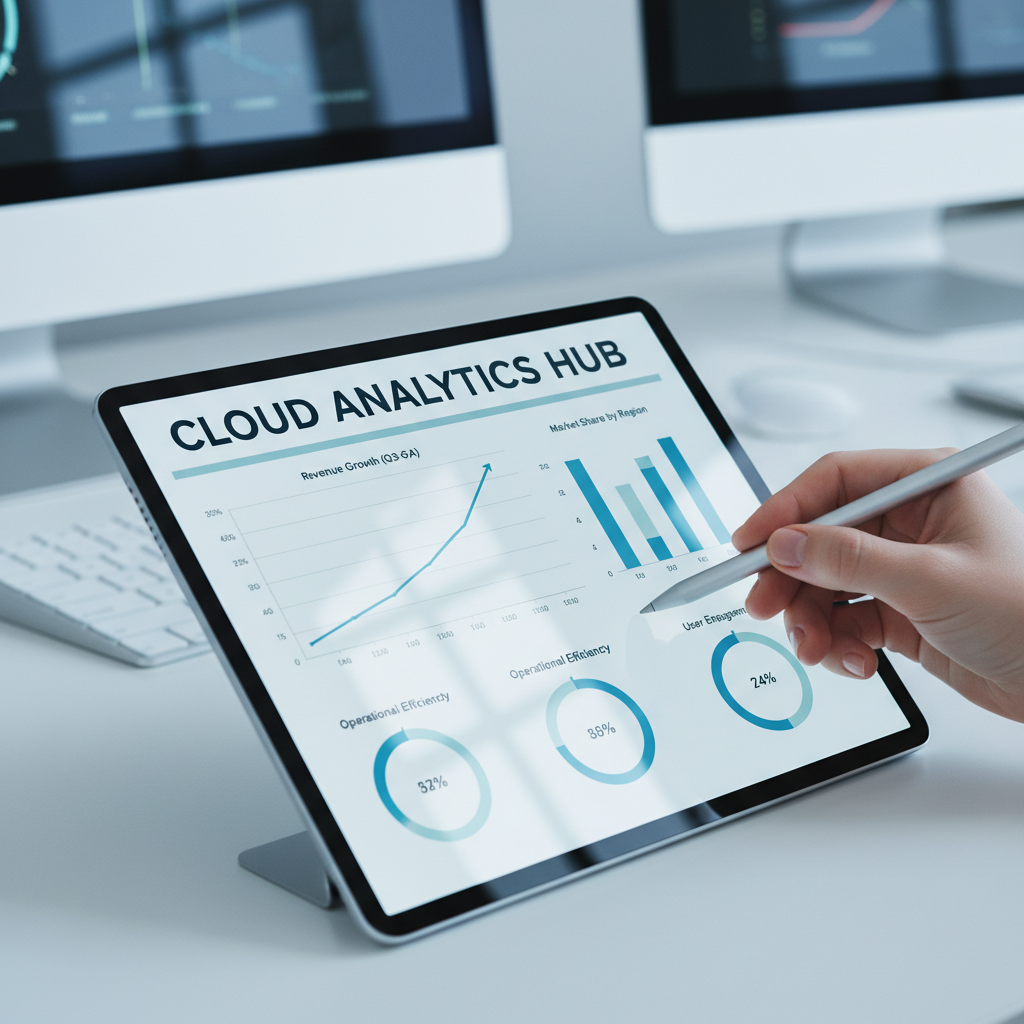
To prepare for peak demand, begin by examining historical data. Look for patterns in usage during similar periods in previous years. This analysis helps in identifying trends and setting benchmarks for future performance. Consider factors like customer behavior, market conditions, and promotional events that could have influenced past demand.
Utilize analytics tools provided by your cloud service provider to gain insights into usage patterns. These tools can help in visualizing data trends, making it easier to forecast future needs. Accurate predictions allow for more precise resource allocation, preventing both over-provisioning and under-provisioning.
Scaling Resources Effectively
Once you have a clear understanding of expected demand, the next step is scaling resources to match. Cloud platforms offer flexible scaling options, allowing businesses to adjust resources dynamically. Implementing auto-scaling can ensure that your cloud resources automatically expand or contract based on the current load.

Consider setting up alerts to notify you when resource usage nears capacity limits. This proactive approach helps in managing unexpected spikes and ensures consistent performance even during peak times.
Cost Management Strategies
While scaling resources is essential, managing costs during peak periods is equally important. Look into reserved instances or savings plans offered by your cloud provider. These options can reduce costs by committing to use a certain amount of resources over a specified period.
Additionally, regular monitoring of utilization can help identify any underused resources. Terminate or reallocate these resources to optimize costs efficiently. This strategy not only saves money but also enhances overall resource efficiency.

Enhancing Security and Compliance
With increased demand comes heightened security risks. Ensure that your cloud infrastructure is fortified with the latest security measures. Regularly update firewalls, encryption protocols, and access controls to protect sensitive data during peak traffic.
Compliance with industry regulations is also crucial. Verify that your cloud services meet all necessary compliance standards, especially during peak periods when data handling becomes more intensive.
Testing and Optimization
Before the anticipated peak, conduct thorough testing of your cloud infrastructure. Simulate high-traffic scenarios to identify potential bottlenecks and areas for improvement. Performance testing helps in fine-tuning resources and ensuring readiness for actual demand surges.
Continuous optimization is key to maintaining performance. Regularly review and adjust configurations to adapt to evolving demand patterns. This proactive management approach ensures your cloud services remain reliable and efficient year-round.