Seasonal Cloud Strategy: Preparing Your Business for Peak Demand


Understanding Seasonal Cloud Strategy
As businesses face fluctuating demand throughout the year, having a robust cloud strategy becomes essential. A well-planned seasonal cloud strategy enables businesses to adapt to peak demand periods, ensuring smooth operations and optimal customer experience.
Cloud computing offers the flexibility and scalability that traditional IT infrastructures simply can't match. By leveraging cloud services, businesses can dynamically adjust resources to meet increasing demand without over-investing in hardware.
Identifying Peak Demand Periods
The first step in preparing your cloud strategy is identifying when peak demand occurs. This might be during holiday seasons, special promotions, or industry-specific high periods. Understanding these cycles allows you to plan accordingly, ensuring you have the necessary resources to handle increased traffic.
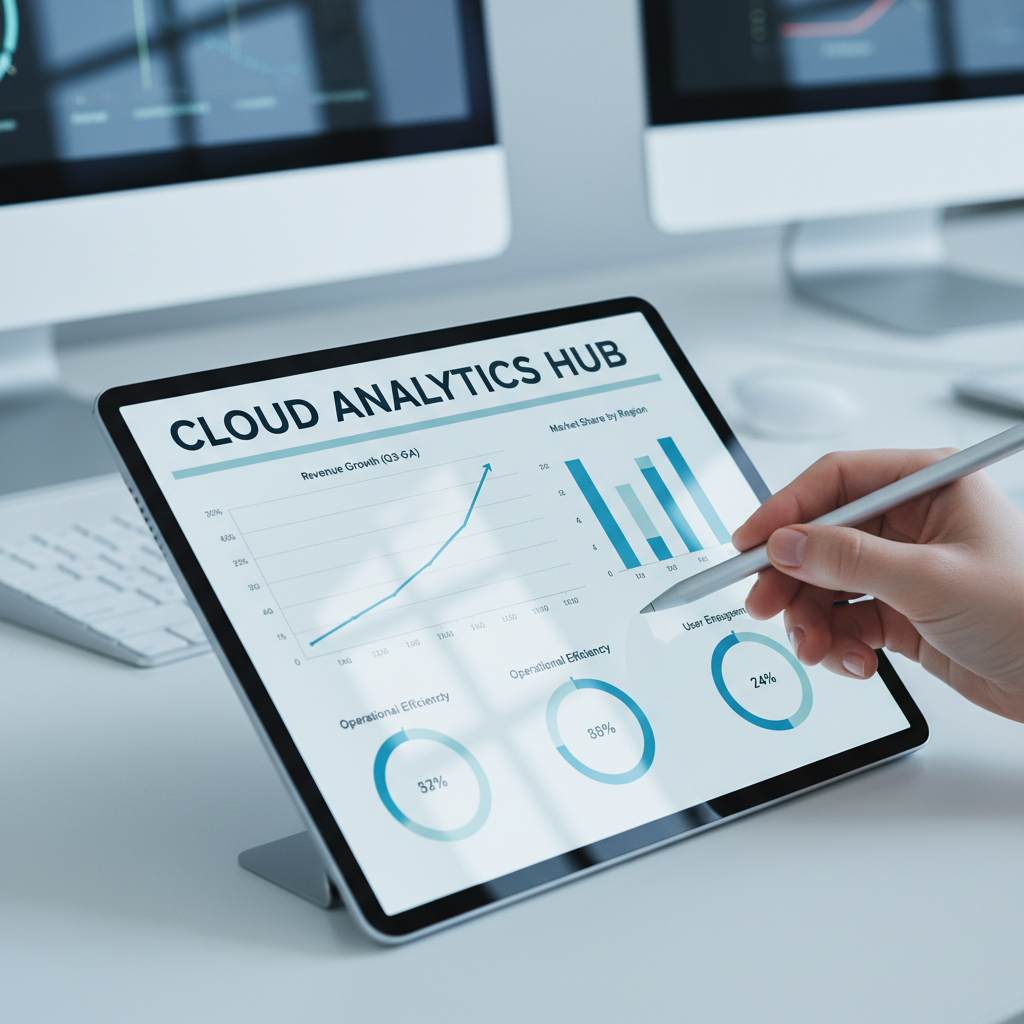
Use data analytics to assess past trends and predict future demand spikes. This data-driven approach helps in making informed decisions about scaling resources up or down.
Data Analytics and Forecasting
Analyzing historical data provides insights into customer behavior and helps forecast demand. Implementing predictive analytics tools can further enhance your ability to anticipate and prepare for peak periods efficiently.

Scaling Your Cloud Resources
Effective cloud management involves scaling your resources in alignment with demand. Cloud providers offer a variety of services that allow for rapid scaling without significant lead times. This flexibility is crucial during peak times when demand can be unpredictable.
Consider using auto-scaling features that automatically adjust resources based on real-time demand. This ensures cost-effectiveness and operational efficiency.
Optimizing Costs
While scaling resources is necessary, it’s also important to manage costs. Evaluate different pricing models offered by cloud providers, such as pay-as-you-go or reserved instances, to find the most cost-effective solution for your business needs.

Ensuring Security and Compliance
With increased demand, security concerns also rise. Ensure that your cloud strategy includes robust security measures, such as encryption and regular security audits. This is especially vital during peak periods when the risk of cyberattacks may increase.
Additionally, ensure compliance with industry regulations and standards to protect your business and customer data.
Implementing Redundancy and Backup
To mitigate the risk of downtime, implement redundancy and backup solutions. This ensures business continuity and protects against data loss during unexpected disruptions.

Review and Adjust
A seasonal cloud strategy is not a one-time setup. Regularly review and adjust your strategy based on performance metrics and feedback. This continuous improvement approach ensures that your business remains agile and responsive to changing demands.
Engage with cloud service providers to explore new tools and technologies that can enhance your strategy. Staying updated with the latest advancements can provide a competitive edge.
Conclusion
Preparing for peak demand with a strategic cloud approach not only boosts operational efficiency but also enhances customer satisfaction. By understanding demand cycles, scaling resources wisely, and maintaining robust security, your business can thrive during high-demand periods.